Category: Festivals & Celebrations

  • Cornish Holy Wells: The Story of Dolly Dunking

    Cornish Holy Wells: The Story of Dolly Dunking

    2–3 minutes

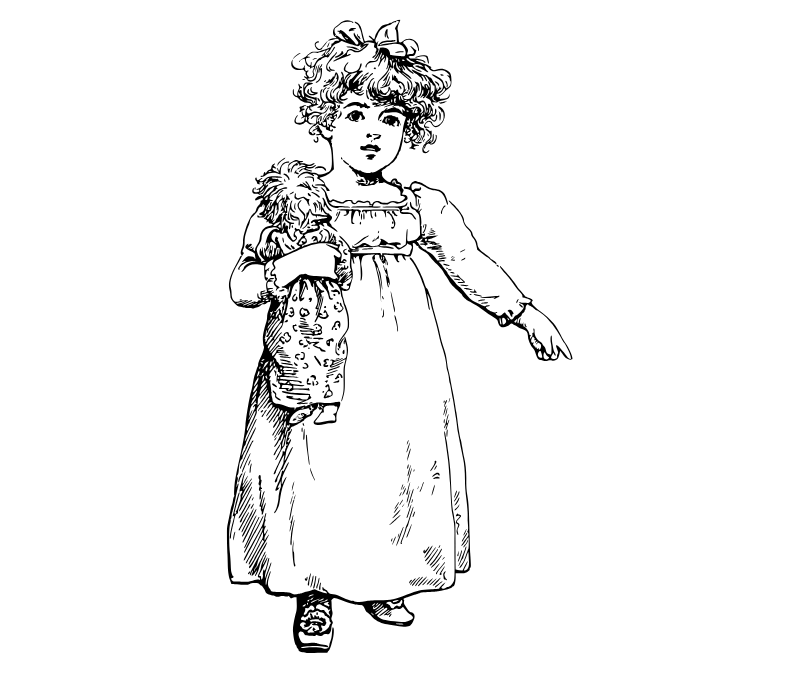
    A peculiar custom, once forgotten, Dolly dunking is a Cornish tradition where young girls would take their dolls to blessed in holy wells on Good Friday. A custom which has documented since the 1800’s.

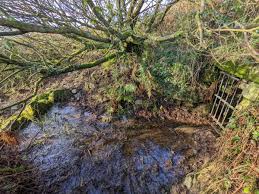
    In Cornish Feasts and Folklore (1890) M.A. Courtney recorded, “On the afternoons of Good Friday, little girls of Carharrack, in the parish of Gwennap, take their dolls to a stream at the foot of Carn Marth and christen them.” However, local anecdotes say this took place at Figgy Dowdy’s Well, also known as Margery Daw’s Well, located near the top of Carn Marth hill.
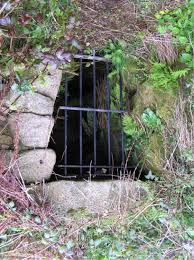
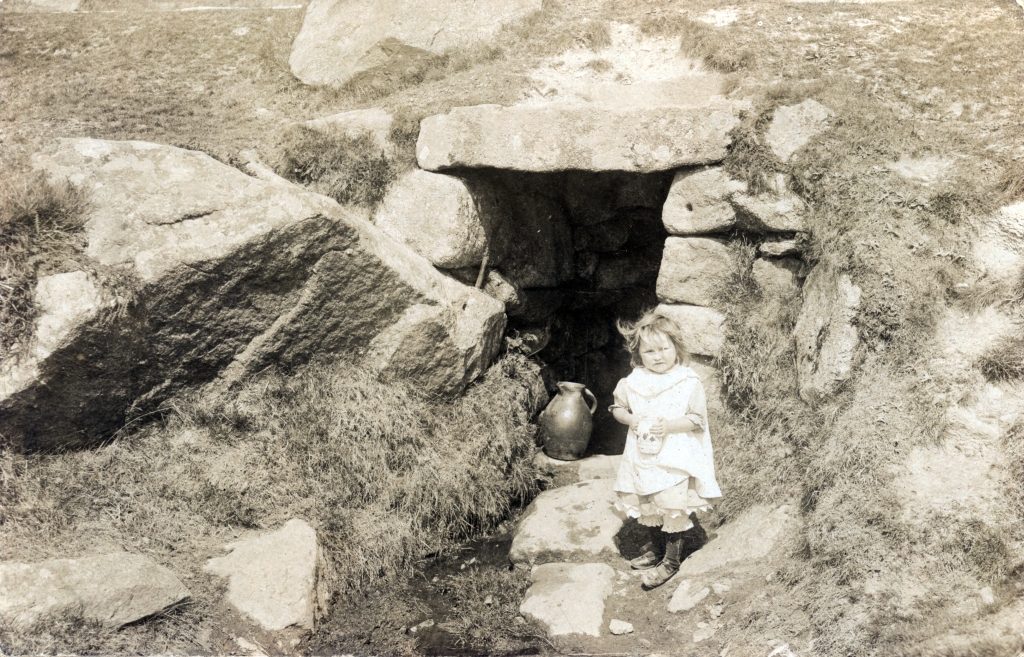
    The same custom was observed at Fenton Bebibell sacred spring in west Penwith. (Cornish Homes and Customs, 1934) Named fenten byghan bobel in Cornish, which translates as “Well of the Little People,” this is a possible reference to the small people of Cornish folklore.

    Cornish holy wells, and sacred springs, are thought to be places where spirits dwell, to whom offerings would be made for healing, blessings or foretelling. The custom of ‘dolly dunking’ could hark back to folk memories of ancestral spirits who dwelt in, or nearby, springs and the offerings people made to them.

    Alternatively, the ‘little people’ could be a reference to the blessing and naming of babies, a practice that may have once taken place at holy wells. It’s possible these traditional rituals were being remembered and acted out by young girls with their dolls.
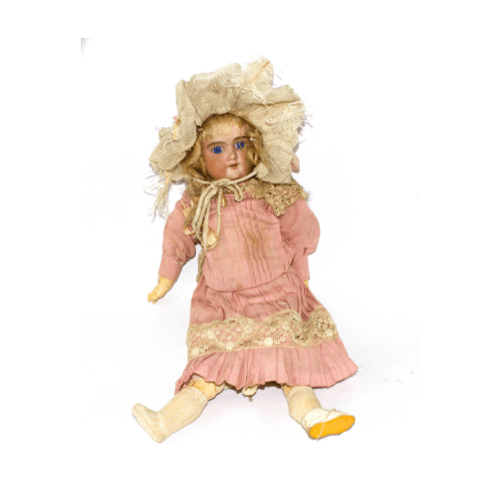
    Good Friday doll blessing is a tradition that has been revived by CASPN at Fenton Bebibell in Morvah, which sits near the Men an Tol monument. The Cornish Ancient Sites Protection Network resurrected the custom 18 years ago and now do an annual ‘dolly dunk’ on Good Friday. The well was lost to the bracken and gorse of the heathland for decades until it was accidentally rediscovered in the 2000’s.

    Is it possible that the tradition of dolly dunking, whatever its origins, was once widespread across Cornwall’s holy wells and springs. Taking place in isolated, insular communites, that weren’t in the habit of writing things down, the local customs were lost to time. Leaving us with only scant records of this peculiar Cornish tradition.
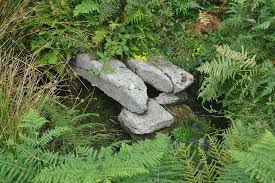
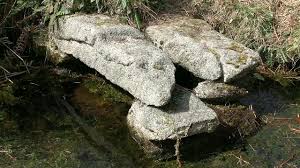
    We can thank CASPN for keeping this part of old Cornwall alive for future generations.

    Figgy Dowdy’s Well Map Ref: SW7146740637  Latitude: 50.221485N  Longitude: 5.205112W Fenton Bebibell Map Ref: SW429352 Latitude: 50.160957N  Longitude: 5.601117W
  • Discover the Traditions of Imbolc and the Cornish Furry Nights

    Discover the Traditions of Imbolc and the Cornish Furry Nights

    2–3 minutes

    What is Imbolc?

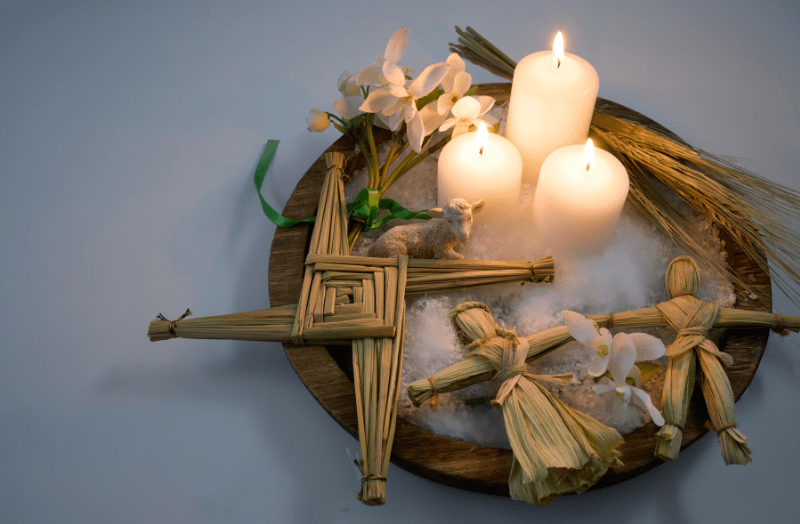
    Otherwise known as Candlemas, Brigid’s or St. Brigit’s day, Imbolc is an ancient Celtic fire festival celebrating the first whispers of Spring as winter comes to a close. Usually celebrated on February the 1st or 2nd, Imbolc marks the mid-point between Winter Solstice and the Spring equinox, when the first hardy shoots of life emerge from the soil. Imbolc means ‘in the belly’ – a probable reference to the time of year when pregnant ewes start to lactate, marking the beginning of the agricultural year.

    As far as we know celebration of Imbolc stems from an iron-age Celtic practice, associated with the Gaelic goddess Brigid and the Brythonic Goddess Brigantia. Both goddesses of fire and fertility are connected with the coming of spring and this fire festival, which is one of the cross-quarter days that make up the Celtic wheel of the year.

    Throughout the British Isles there are neolithic (late stone-age) monuments that align with the rising of the sun at Imbolc – the mid-point between the winter solstice and spring equinox. This suggests that this time of year has been marked as significant since long before the Celtic people arrived on these isles.

    Furry Nights

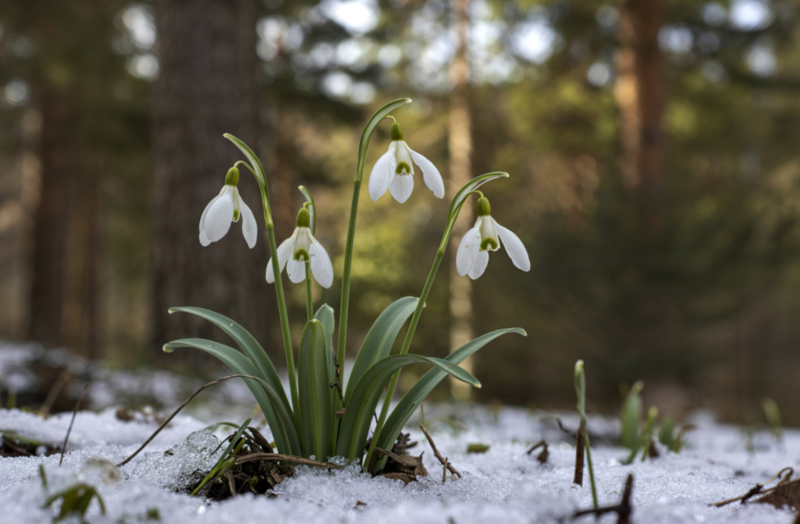
    In Cornwall the Celtic quarter nights are known as the Furry Nights, or Troyl Nights , meaning feast or celebration. Imbolc, or Candlemas as it is known in Cornwall, is also known as the ‘feast of lights’. Not strictly guided by the calendar, in Cornwall the feast of lights would be guided by nature and those first signs of life, like the arrival of snowdrops. A traditional Cornish drink of ewe’s milk, honey, cider and mashed apples would have been drunk to mark the start of the farming season.

    Cornish Cunning-Folk

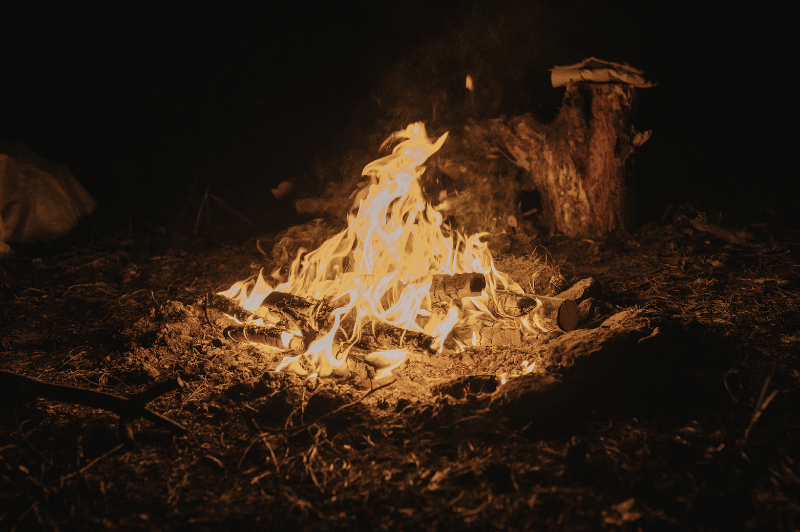
    Cornish cunning-folk would ritually mark the end of winter and the return of the sunlight as the days noticeably lengthen. Traditionally fires and candles would be lit to awaken the earth’s life force from its winter slumber. A witch’s powers would be renewed with the coming spring, a time to re-empower charms and such like. A traditional rite would involve a night time procession by candlelight to a holy well, where offerings would be made, small fires would be lit, and the life-force encouraged from the portal of the water.

    Cornwall’s Megaliths

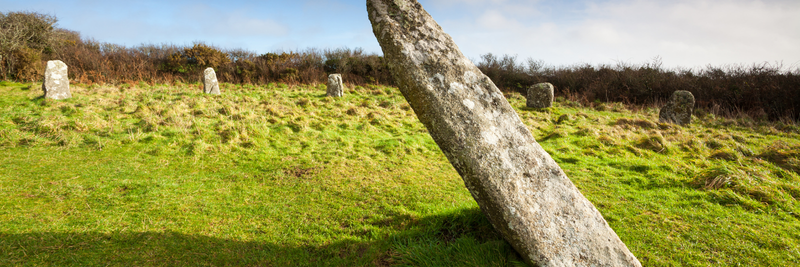
    The neolithic people of the Cornish peninsula may have also marked this time of year through various megalithic monuments. Boscawen-Un stone-circle appears to have an Imbolc solar alignment, with the sun setting between the centre and quartz stones (if you stand on the opposite side of the circle.) on February 1st.

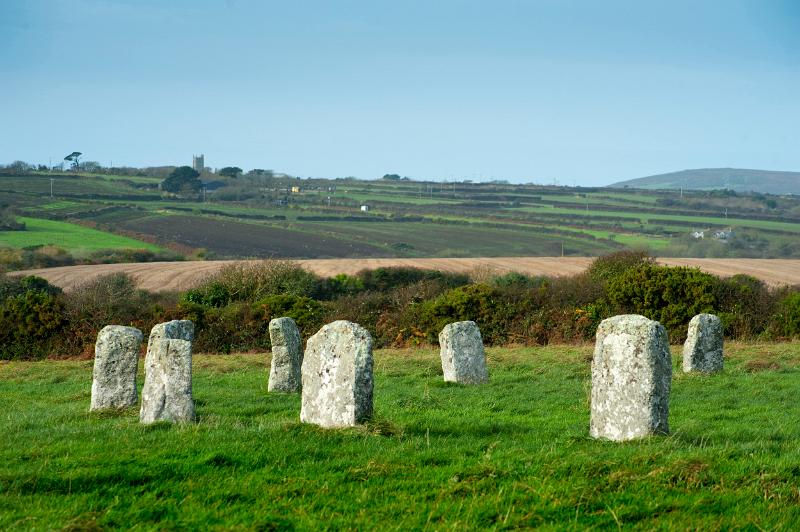
    There is another possible solar alignment with the Imbolc sun setting over the now disappeared Boleigh circle, when watched from it’s twin circle the Merry Maidens. Given how many megalithic monuments are now lost or partially destroyed, I would imagine it is likely there were other alignments with Imbolc and other significant dates in the solar and farming calendars.

    How do you mark this time of year? Here in Cornwall I like to sow my first hardy seeds undercover when I see the first snowdrops, and the bluebell shoots poking through the soil. What are your signs that spring is on its way?

    Follow me on BlueSky