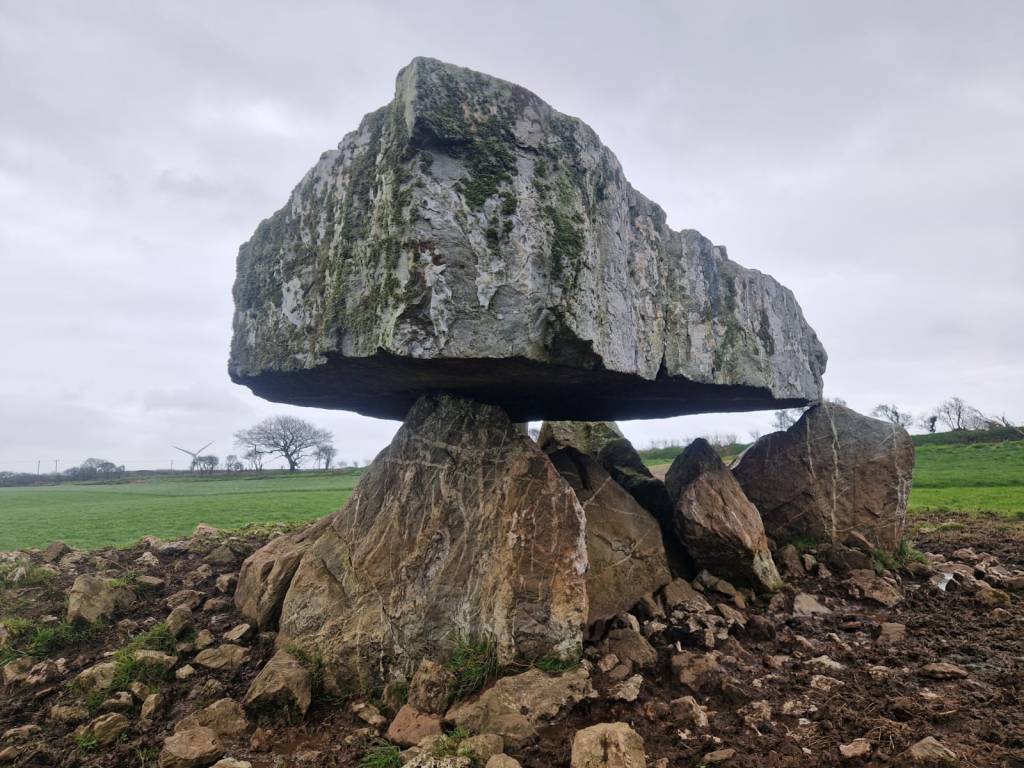
Pawton Quoit is a magnificent portal dolmen built by Cornwall’s stone age inhabitants. The imposing megalith sits, mostly intact, atop a ridge overlooking a steep valley.
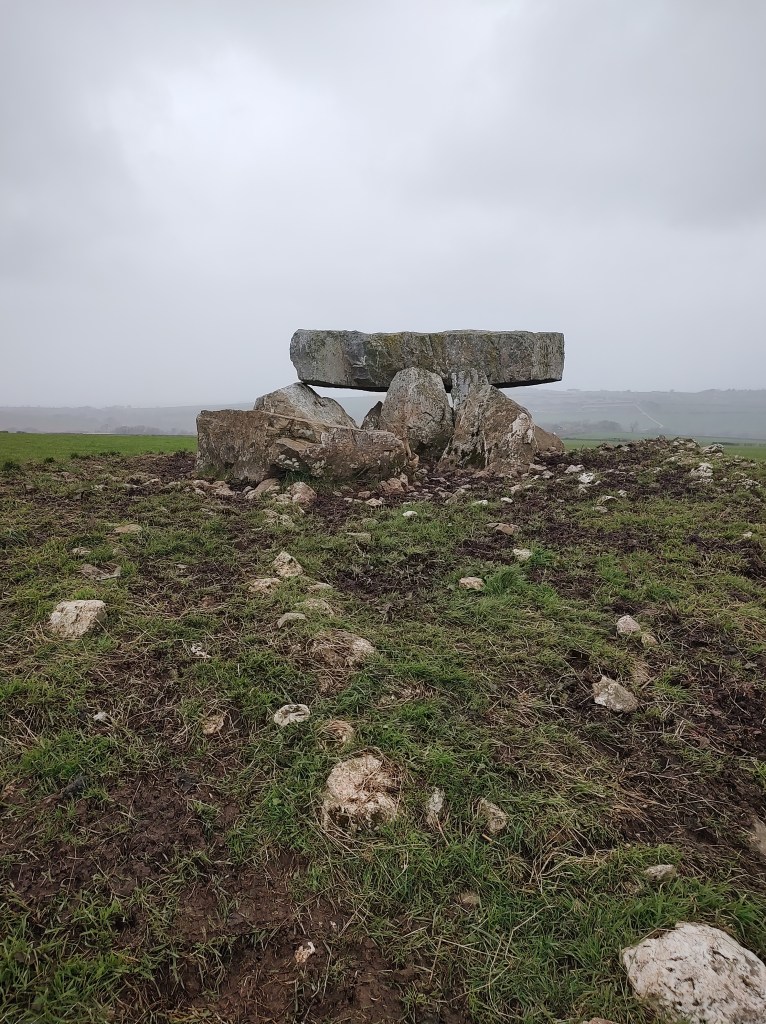
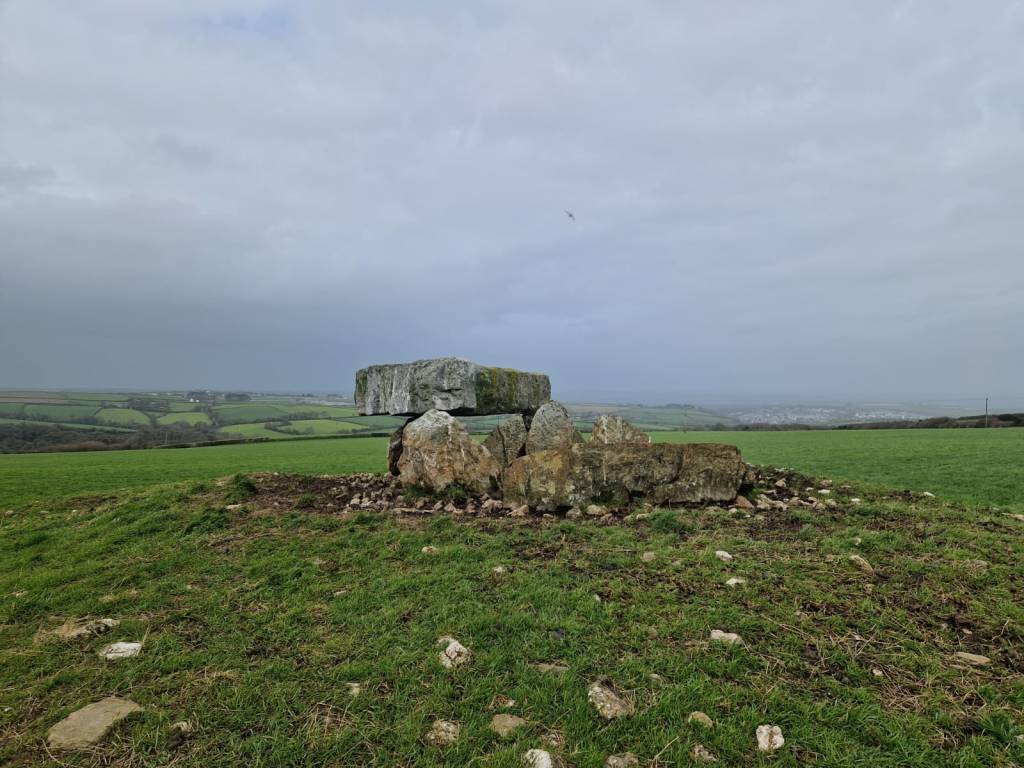
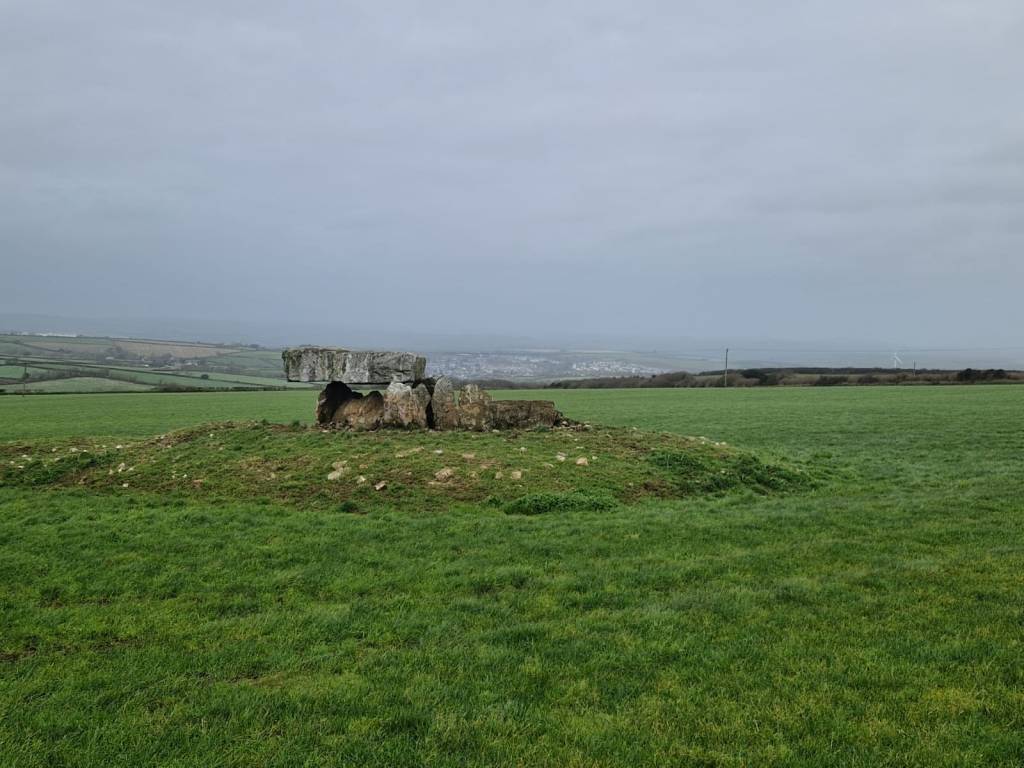
Also known as Giant’s Quoit, the monument is found along the back lanes of Wadebridge, up a private farm track. The enormous capstone, which juts out incongruously against the landscape, must weigh at least 15 tonne, and perches on just three points of the supporting upright stones. Part of it has sheared off, and sits where it fell in front of the quoit’s façade. The dolmen sits on a raised earthen mound, perhaps the vestiges of a cairn that covered some or all of the monument.
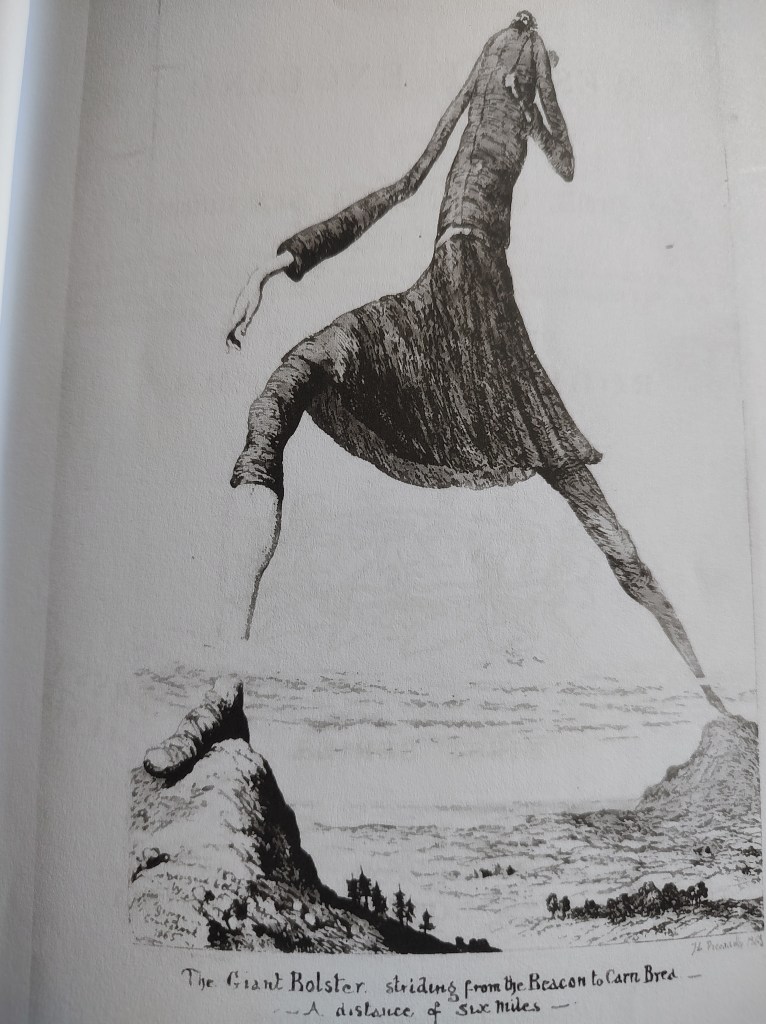
In Cornwall we call dolmen quoits. A reference to the folk belief that Cornwall’s many megaliths were created by giants throwing stones at each other – quoit being a reference to the dolmen capstones resembling the discs thrown in a traditional game of quoits.
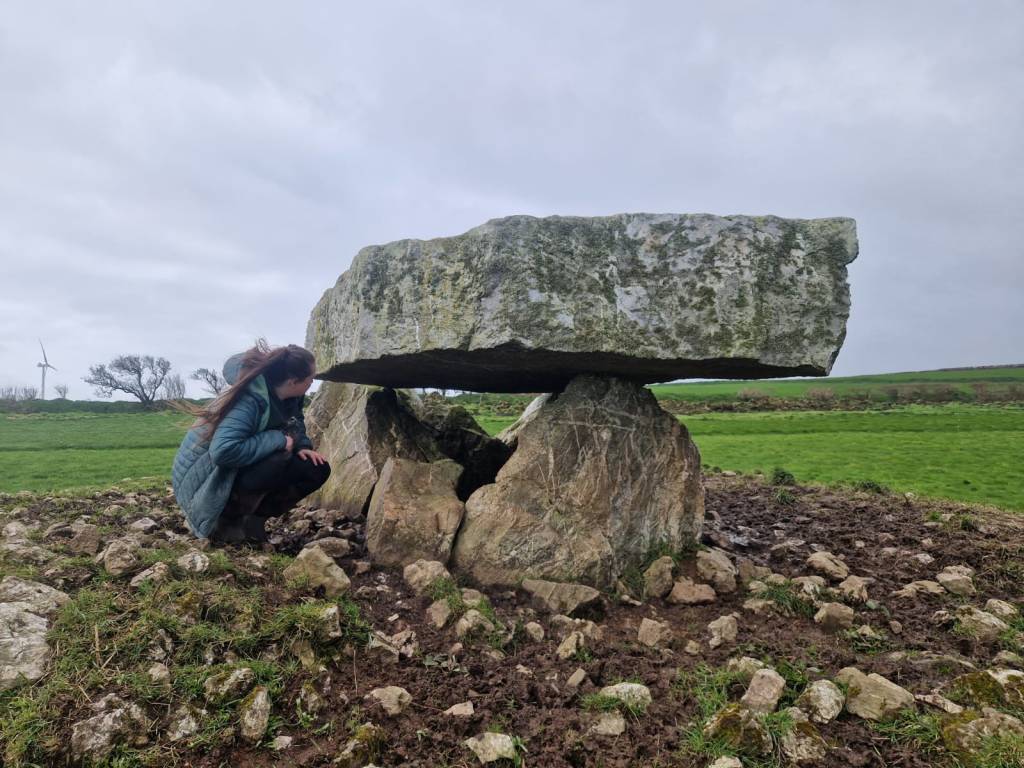
Cornwall’s quoits are thought to have been built in the early to mid-neolithic period. We can only wonder at the engineering skill, and size of the labour force required, to accomplish such a feat in the stone age. The society that built the quoit would have been organised, and have enough abundance to spare those workers from the business of farming food. Moving the huge capstone up the hill, and placing it on top of the uprights, would have been an extraordinary feat. The enormous size of it would have been impractical, and much larger than required to cap the chamber – it’s a statement.
The accomplishment of an immense engineering project like Pawton Quoit must have inferred status upon the community responsible. Portal dolmens would have been visually impressive, dominant markers in the landscape, looking over neolithic settlements and fields. Cornwall would have been mostly covered in dense temperate rain forest, except for small areas cleared for farming and settlement. Hilltops, like this one, would have been beacons rising out of the humid, wild tangle of forest, serving as places of safety and gathering.
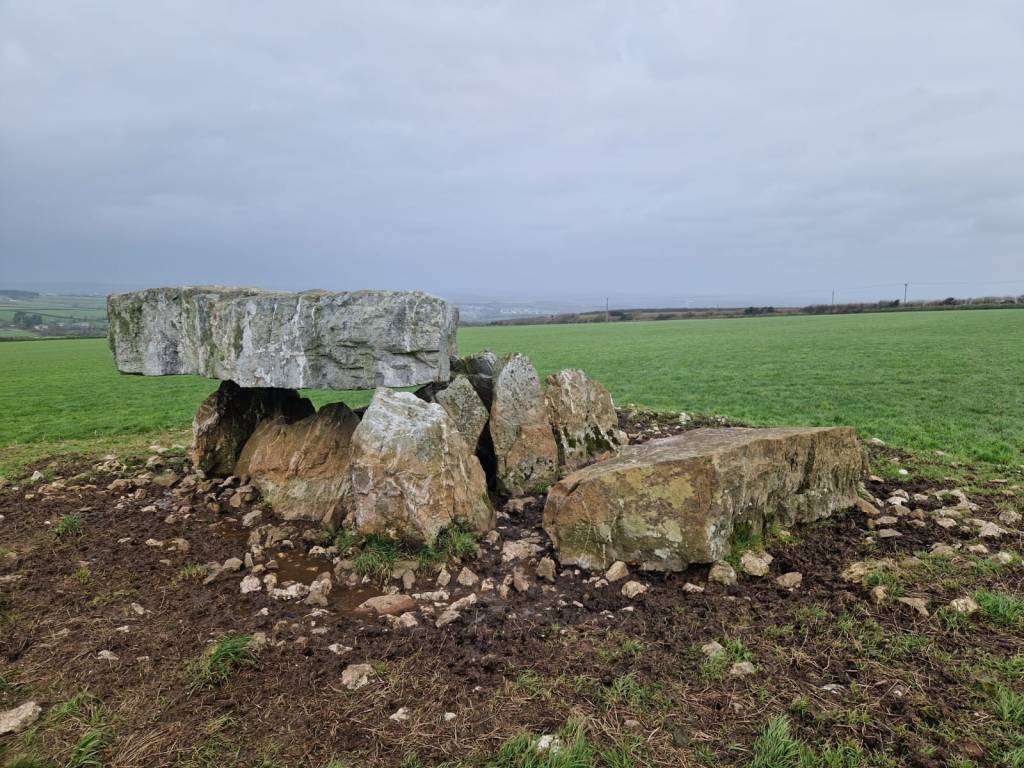
In Cornwall quoits are often found overlooking valleys with a water source, or in places where neolithic settlements and fields have been found. These first farmers transformed the landscape for agriculture and permanent settlements. They were also the first megalithic builders, modifying their environment with monuments like Pawton.
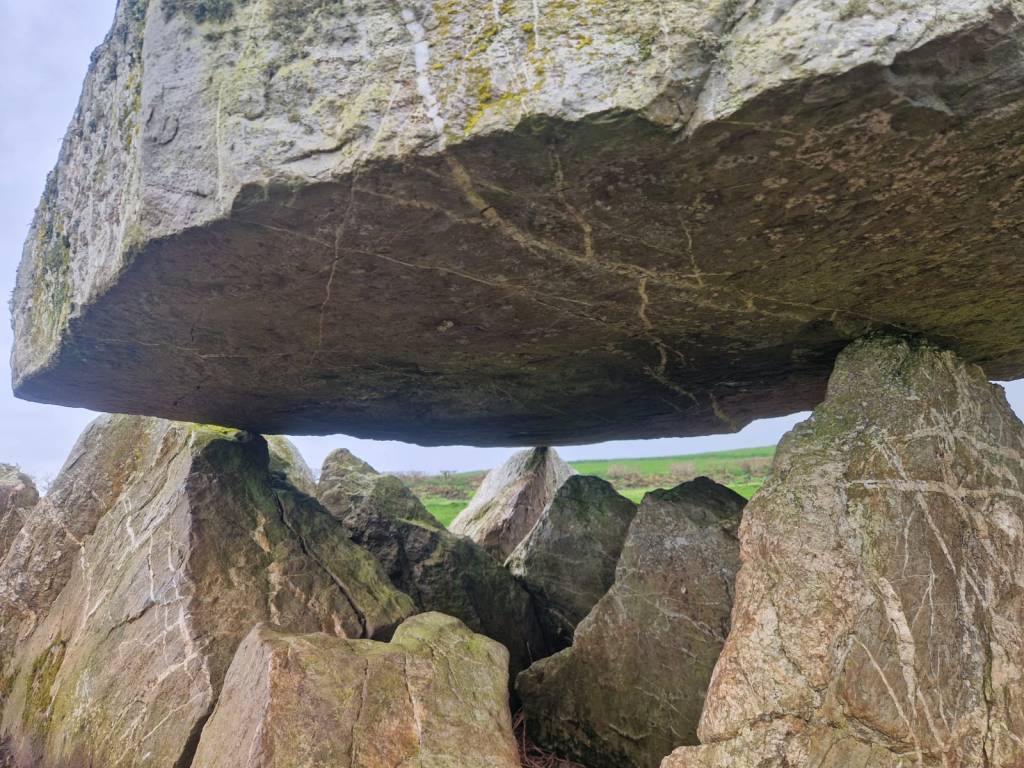
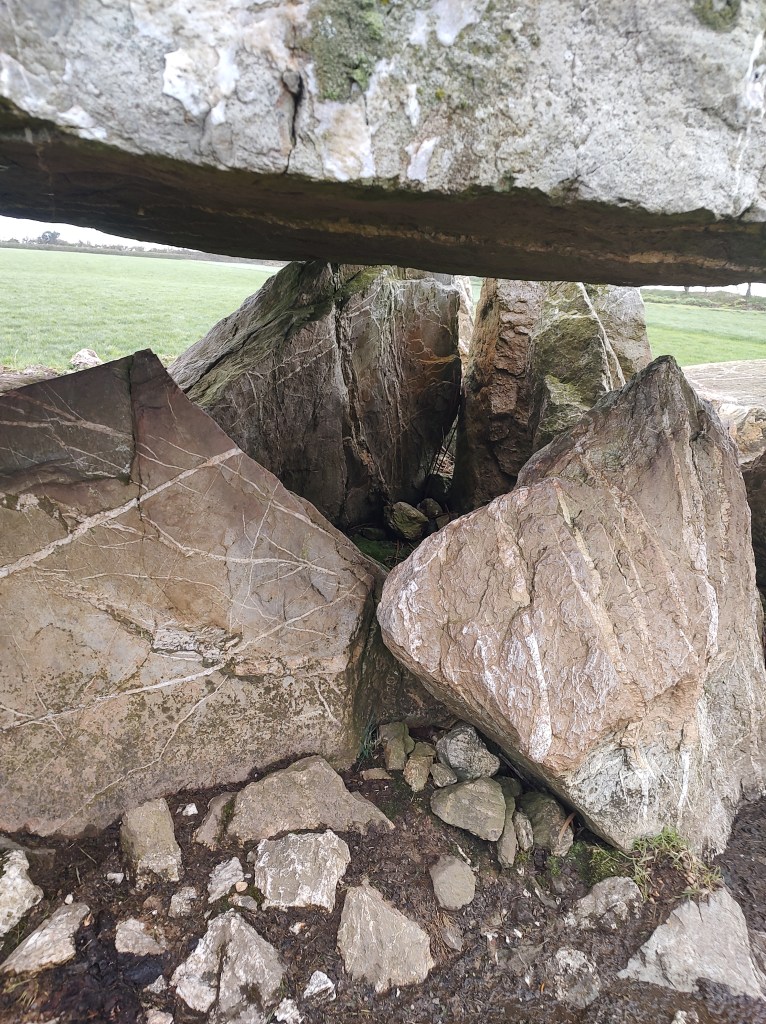
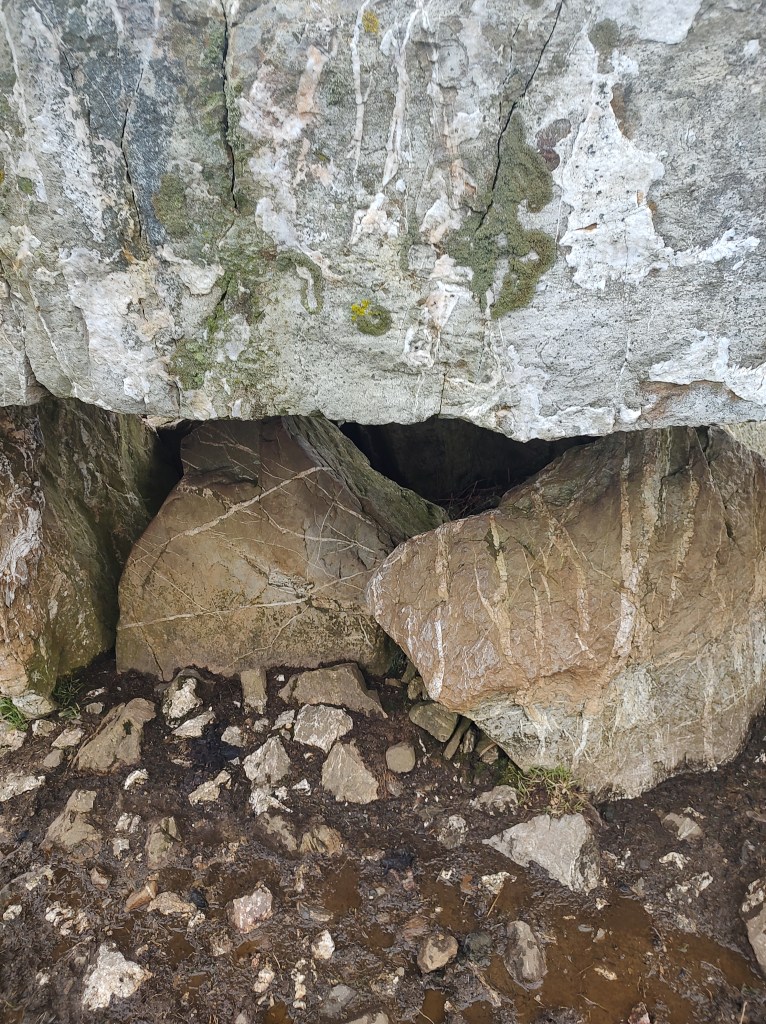
The day of my visit the weather is wild, we are lashed by a squall of wind and rain blowing in off the North coast. In the early Neolithic period, the climate would have been warmer and drier than it is today. The hilltops, ridges and tor summits would have been more hospitable to settlement before the climate changed in the early bronze-age.
The original purpose of portal dolmen is unknown. It’s possible they were territorial, or used for burial and funerary rites. Although little human remains have been found, suggesting their primary purpose was something else. Given how architecturally impressive quoits like Pawton are, it seems they were meant to be seen. Were these marvels of prehistoric engineering built to meet the needs of the living, rather than those of the dead.
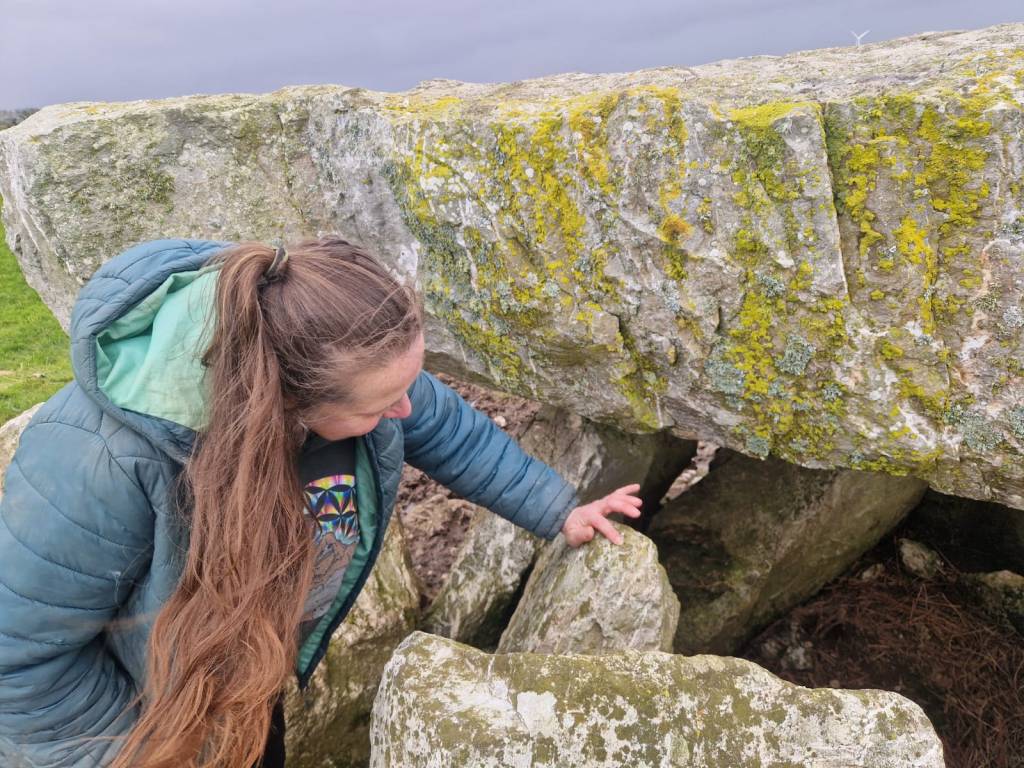
They could be cathedrals of spiritual significance, marking places considered sacred. Possibly for capturing earth energies, or marking the seasons through solar and astral alignments. Maybe the quoits were built to bring people together in ways we can’t imagine in our modern world that’s so disconnected from nature. Maybe these monuments were built for worshipping gods that have long been forgotten.
Or maybe, just maybe, the Cornish giants were real.

 Uncanny Cornwall Blog